

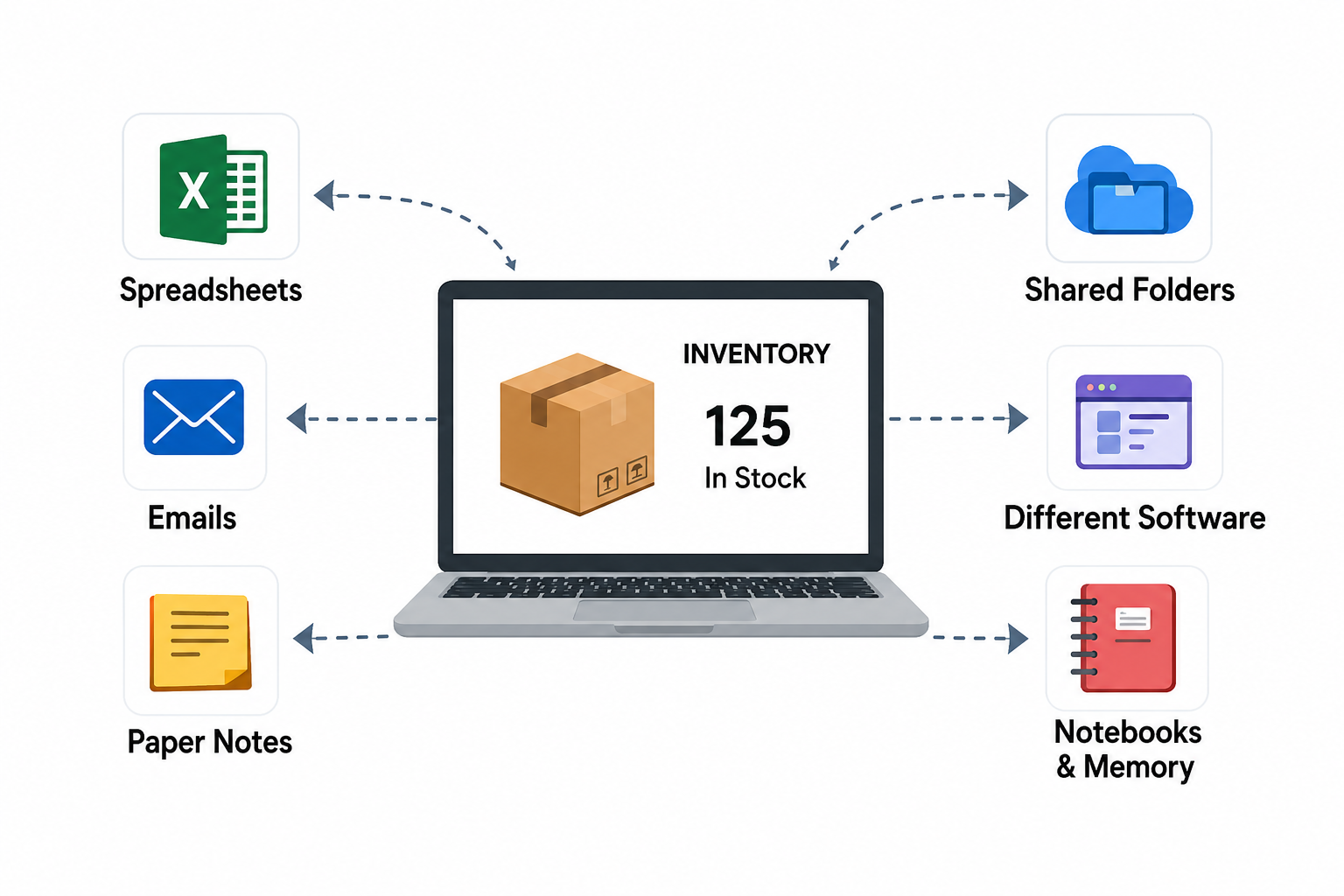
Managing inventory is hard enough on its own. But many businesses create an even bigger challenge without realizing it their inventory information ends up scattered across different places.
Maybe stock levels are tracked in spreadsheets.
Purchase updates are buried in emails.
Someone writes inventory changes on paper.
A warehouse employee remembers certain details from memory.
Reports are stored in a completely different system.
At first, this might not seem like a big problem. Everything appears to work well enough. But as the business grows, keeping inventory information in multiple places often leads to confusion, mistakes, and a lot of wasted time.
Let’s look at why this happens and how it affects day-to-day operations.
When Inventory Information Is Everywhere
Inventory records should give you a clear picture of what you have, where it’s located, and how much stock is available.
But when information is spread across spreadsheets, emails, notebooks, and different systems, that picture becomes blurry.
One employee may be looking at an old spreadsheet while another is using a newer version. Someone updates one record but forgets to update another.
Before long, nobody is completely sure which information is correct.
Common Places Inventory Information Gets Stored

Many businesses unintentionally track inventory in several places at once, including:
- Excel spreadsheets
- Email conversations
- Paper notes and clipboards
- Shared folders
- Different software applications
- Personal notebooks
- Employee memory
While each method may seem helpful on its own, using all of them together often creates inconsistencies.
The Problems Start Adding Up

Employees Spend More Time Searching
Have you ever seen someone open three spreadsheets, search through emails, and then call a coworker just to find one inventory item?
It happens more often than you’d think.
Instead of completing tasks, employees spend time:
- Looking through spreadsheets
- Searching old emails
- Calling coworkers
- Physically checking shelves
A few minutes here and there may not seem like much, but over time those delays add up.
Inventory Records Become Less Reliable
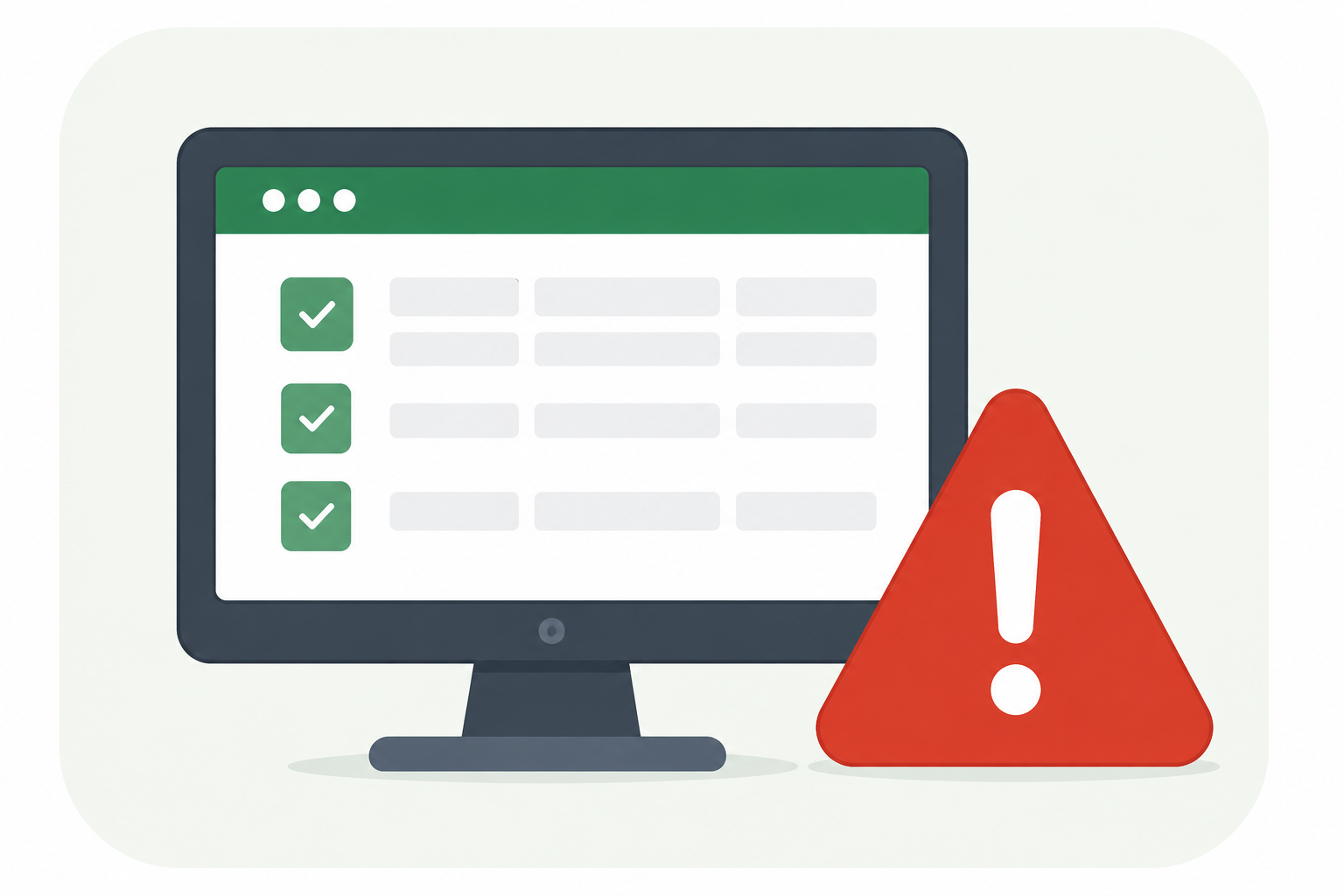
When inventory information exists in multiple places, updates are often missed.
One system gets updated while another doesn’t.
As a result, teams may believe stock is available when it isn’t. Or they may assume they’re out of stock when the items are actually sitting in a different location.
When people stop trusting the inventory records, they start double-checking everything manually, which creates even more work.

Communication Gets More Complicated
When everyone relies on different sources of information, simple questions become harder to answer.
You may hear things like:
- Which spreadsheet is the latest one?
- Was this shipment received already?
- Did anyone update the stock count?
- Where can I find the most recent report?
Instead of moving work forward, teams spend their time trying to figure out what information is correct.
Duplicate Purchases Become More Common
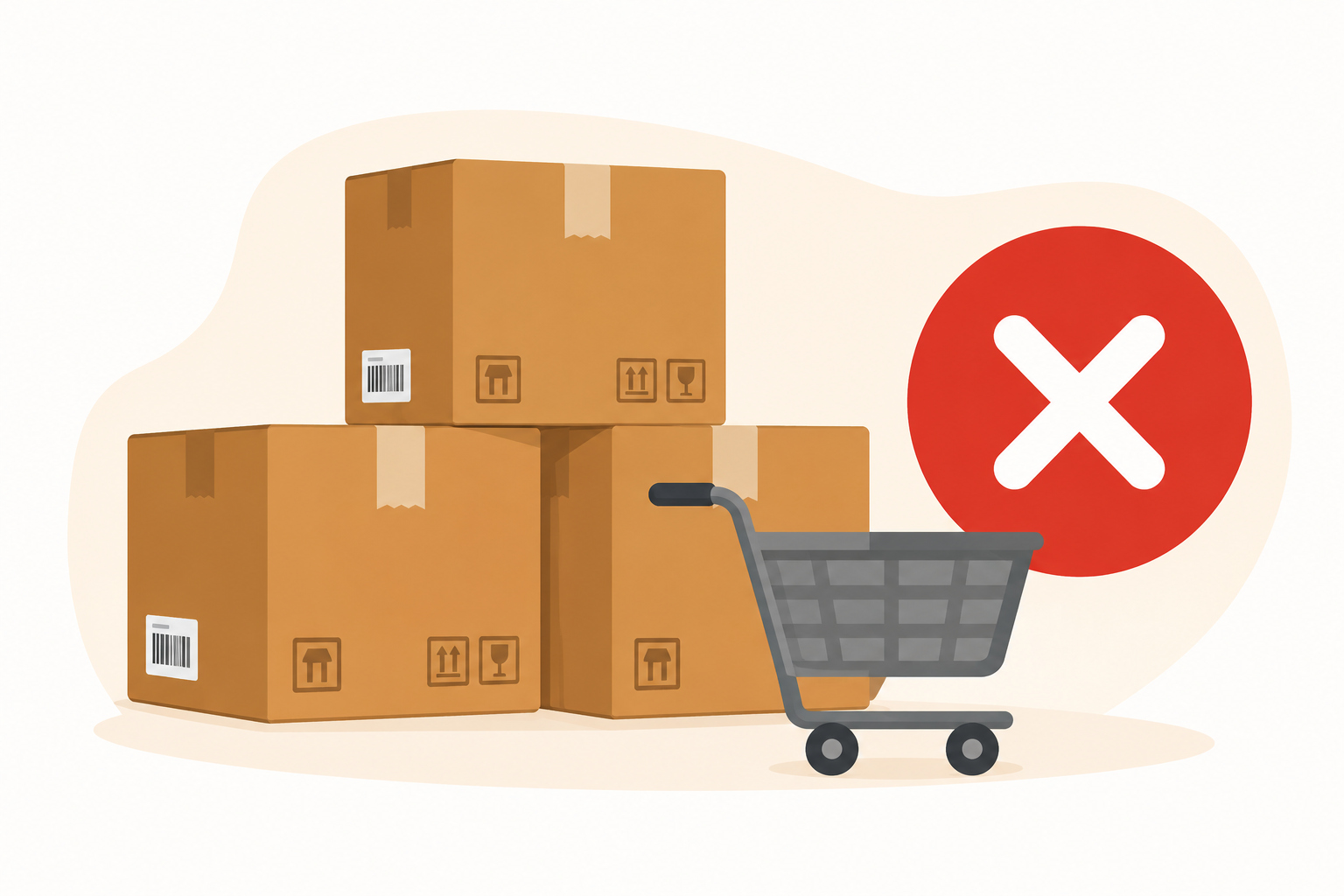
One of the most expensive consequences of poor inventory visibility is buying items you already own.
If nobody has a clear view of available inventory, the safest option often feels like ordering more.
The result?
More spending, unnecessary stock, and shelves filled with products that didn’t need to be purchased in the first place.
Decision-Making Becomes Harder
Good decisions depend on accurate information.
When inventory data is incomplete or spread across different systems, reports become less reliable.
Managers may end up making purchasing, budgeting, or operational decisions based on outdated information.
That can create problems long before anyone realizes something is wrong.
A Simple Example
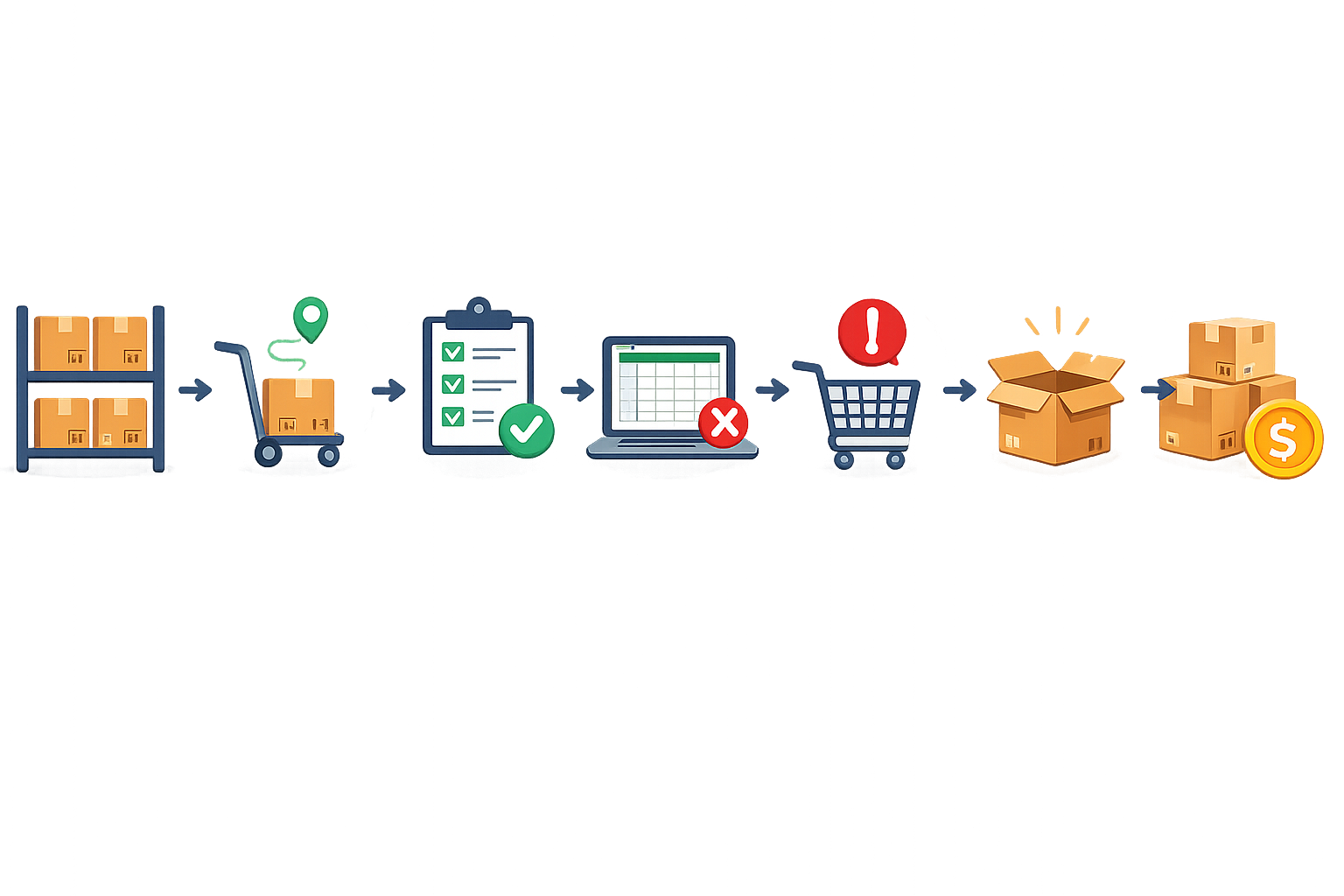
Imagine a company tracks inventory in three different places:
- A spreadsheet used by the warehouse team
- An email thread used by purchasing
- A paper log used during stock movements
One day, a product is moved to a new location, but only the paper log gets updated.
The spreadsheet still shows the old location, so the purchasing team can’t find the item and assumes it’s out of stock. Believing more inventory is needed, they place a replacement order. As a result, the company ends up purchasing items it already owns, creating excess inventory, unnecessary costs, and avoidable confusion. It’s a small mistake, but one missed update can quickly lead to wasted money and operational inefficiencies.
Why Growing Businesses Feel This Problem More
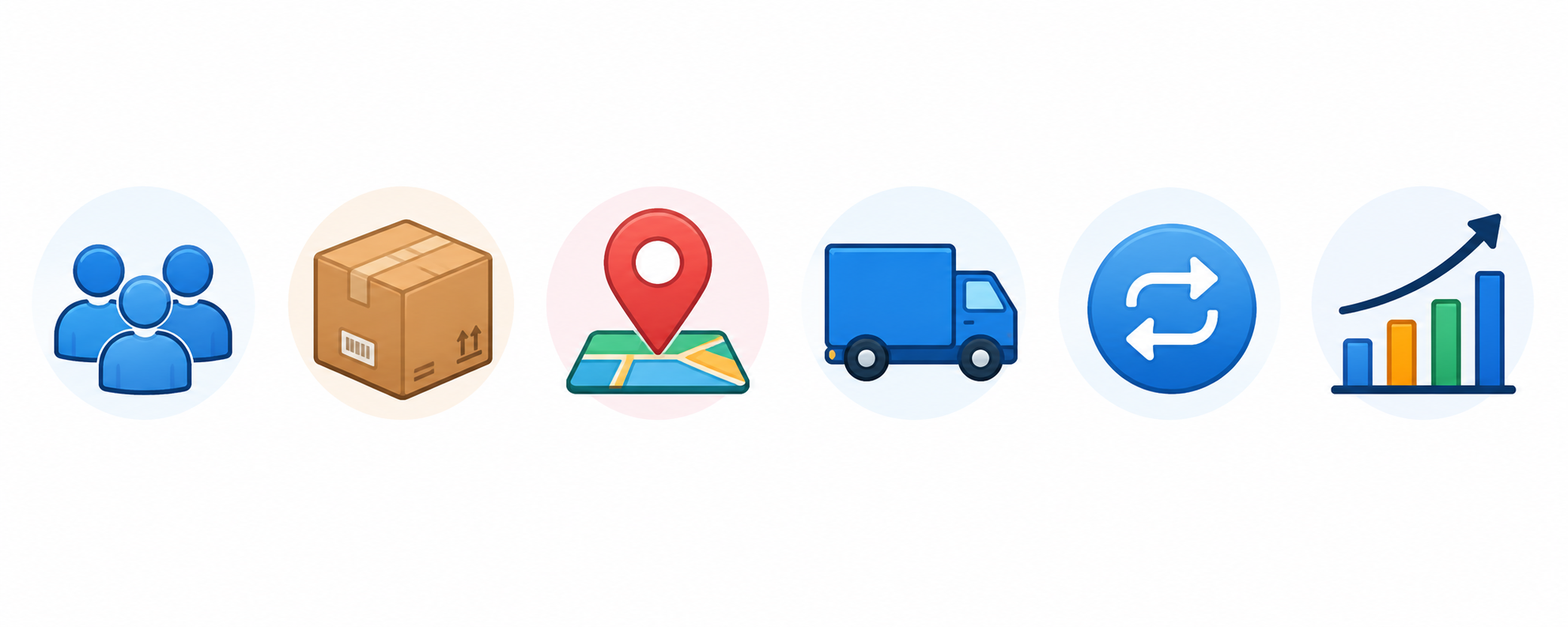
As businesses grow, inventory operations naturally become more complex.
There are:
- More employees
- More products
- More locations
- More shipments
- More daily transactions
The larger the operation becomes, the harder it is to manage inventory information spread across multiple systems.
Processes that worked for a small team often become difficult to maintain at scale.
The Benefits of Centralizing Inventory Information
A centralized inventory system gives everyone access to the same information.
Instead of searching multiple sources, teams can view inventory from one place.
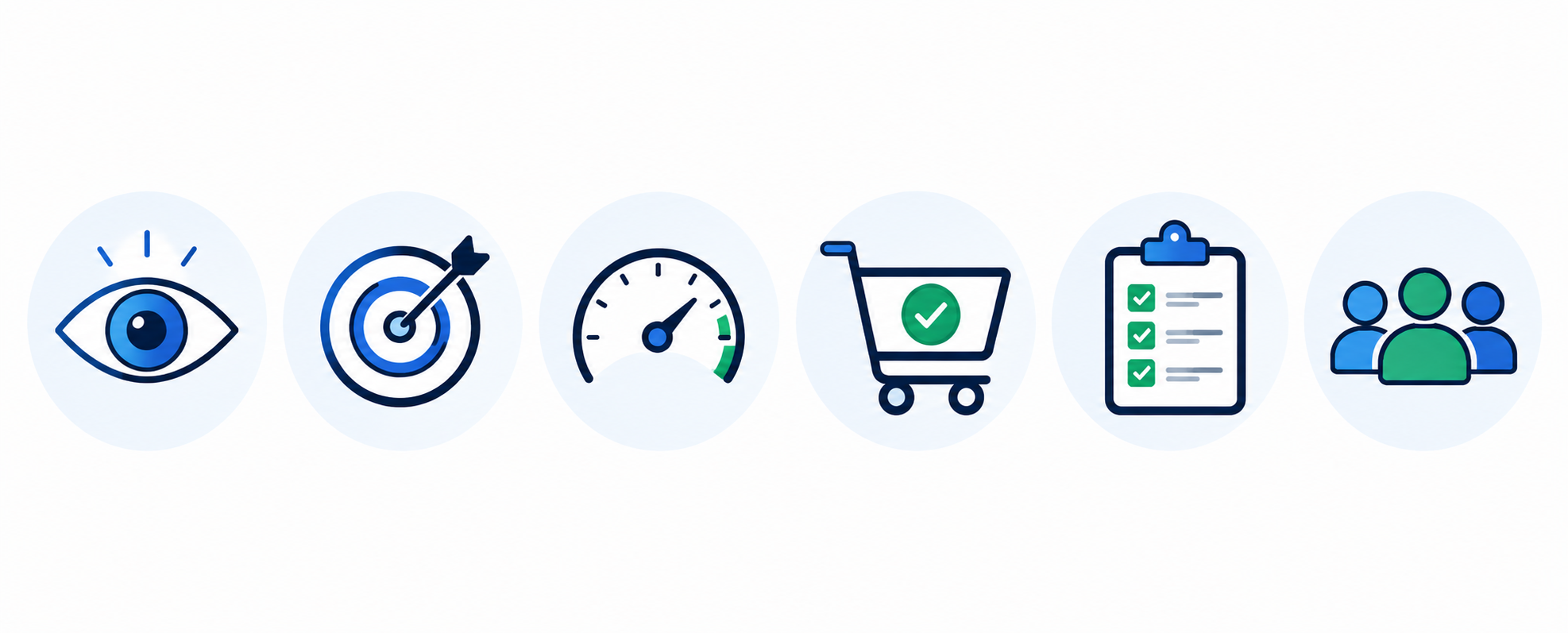
Benefits include:
- Better visibility
- Improved accuracy
- Faster decision-making
- Reduced duplicate purchases
- Easier audits
- Better communication across teams
Most importantly, everyone works from the same data.
How Modern Inventory Systems Help
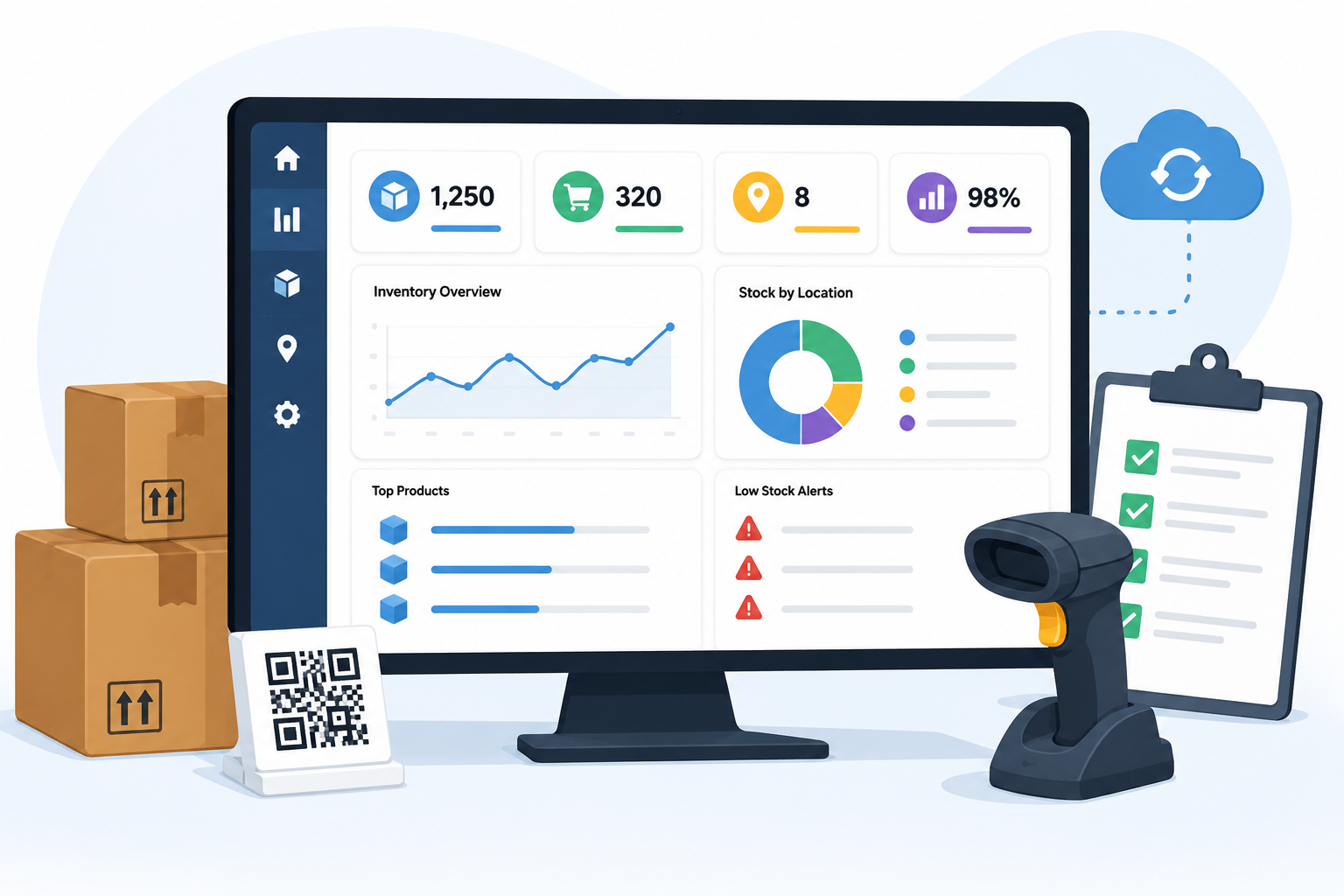
Modern inventory management systems help businesses keep inventory information organized and accessible.
Features such as:
- Real-time inventory updates
- Barcode and QR code scanning
- Centralized dashboards
- Multi-location tracking
- Automated alerts
- Audit history
allow teams to manage inventory more efficiently and with fewer errors.
Rather than maintaining multiple records across different tools, businesses can keep everything connected in one system.
Conclusion
Inventory information is most valuable when everyone can trust it.
When inventory lives in too many places, businesses often experience confusion, delays, duplicate purchases, and inaccurate reporting.
As operations grow, these problems become even more difficult to manage.
Keeping inventory information centralized helps businesses improve visibility, reduce errors, and make better decisions.
The goal is simple: one source of truth, fewer headaches, and better control over inventory operations.
👉 Take a free demo today or sign up now and see how a centralized inventory system can simplify inventory management.