

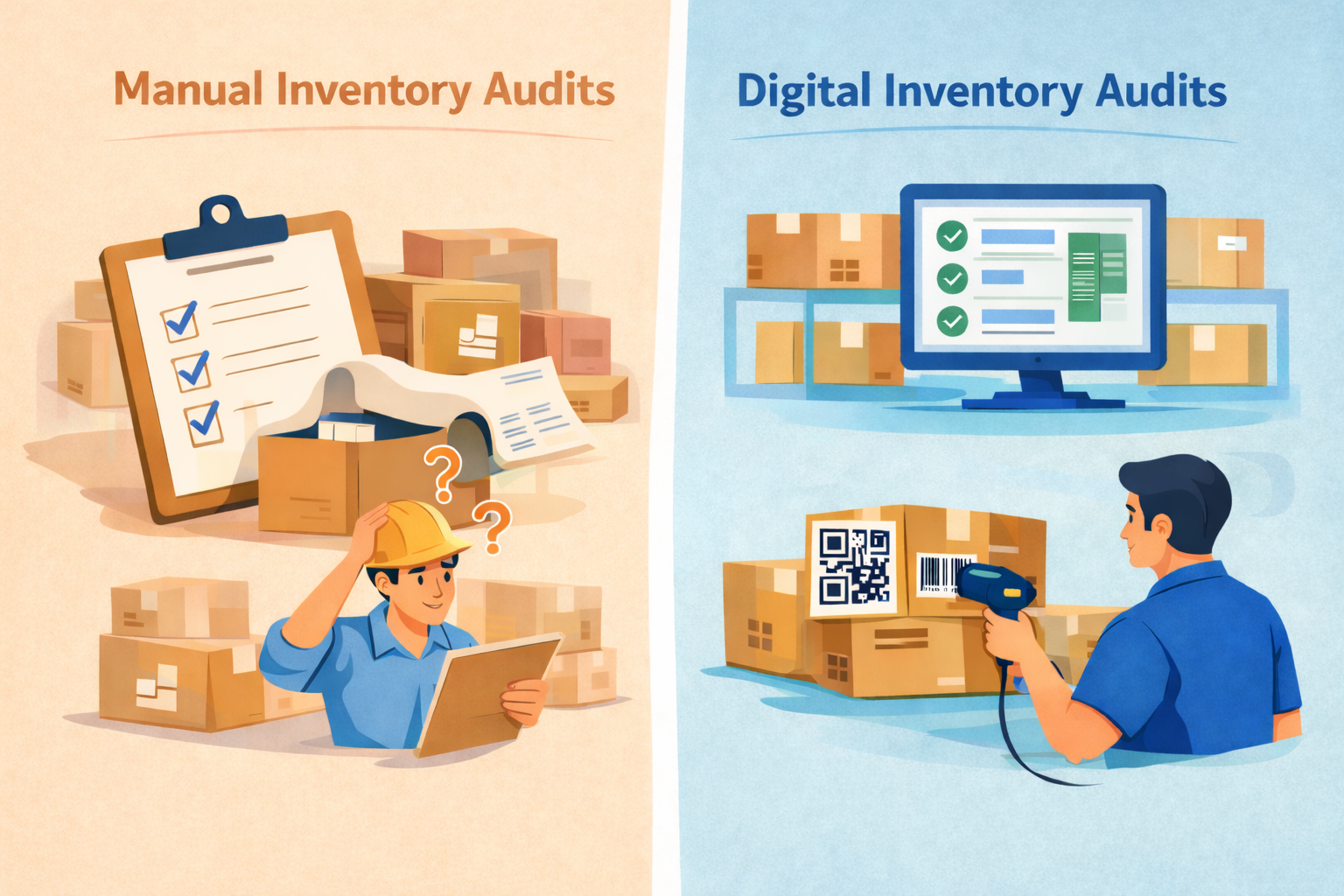
Inventory audits are an important part of any business. They help ensure that items are available, records are accurate, and losses are identified on time.
However, the way inventory audits are done has changed over the years.
Many businesses still rely on manual inventory audits, using paper lists, spreadsheets, or physical counting. While this approach may have worked in the past, it is no longer practical for modern businesses that manage growing inventories, multiple locations, and fast-moving operations.
What Is a Manual Inventory Audit?
A manual inventory audit usually involves:
- Physically counting items
- Writing details on paper or spreadsheets
- Matching physical stock with records
- Updating data after the audit is complete
This process takes time, requires more staff involvement, and often disrupts daily operations.
Why Manual Inventory Audits Create Problems Today
1. They Take Too Much Time
Manual audits often require shutting down normal work or slowing operations. Employees spend hours counting items instead of focusing on their regular tasks. For businesses with large inventories, this process can take days.
2. High Chances of Human Error
Manual counting and data entry increase the risk of mistakes. Items can be miscounted, skipped, or entered incorrectly.
Even small errors can lead to inaccurate reports and wrong decisions.
3. No Real-Time Data
Manual audits only show inventory status at one specific moment. Once the audit is complete, the data can quickly become outdated as items move in and out.
This makes it hard to rely on manual audits for daily inventory decisions.
4. Difficult to Track History and Movement
With manual audits, it’s difficult to track:
- When an item was used
- Who used it
- Where it was moved
Without proper history, accountability becomes a challenge.
5. Stressful for Teams
Manual audits often require extra work, overtime, and last-minute preparation.
This creates pressure on staff and increases frustration, especially during busy periods.
Why Modern Businesses Need a Better Approach
As businesses grow, inventory systems need to be:
- Faster
- More accurate
- Less disruptive
- Easy to manage
This is where digital inventory tracking becomes important.
How Digital Inventory Audits Make Things Easier
Barcode and QR Code Scanning
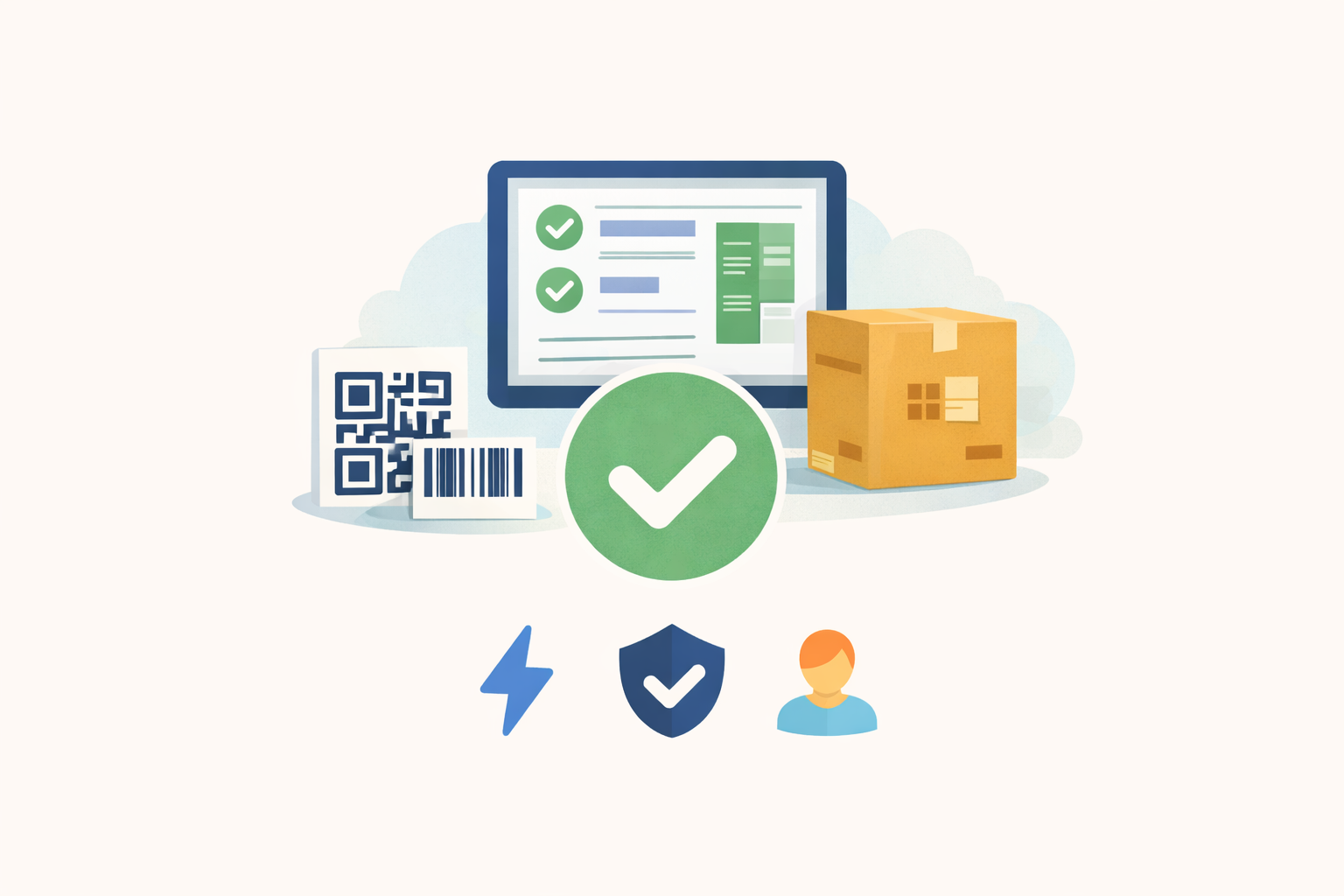
By using barcodes or QR codes, items can be scanned quickly instead of counted manually.
This reduces time, effort, and errors during audits.
Real-Time Inventory Records
Digital systems update inventory data instantly.
This allows businesses to see accurate stock levels at any time, not just during audits.
Complete Audit History
Digital tracking keeps a record of:
- Item movement
- Check-ins and check-outs
- Updates and changes
This makes audits more transparent and reliable.
Less Disruption to Daily Operations
Digital audits can be done without stopping normal work.
Teams can scan items as they go, making the process smoother and more efficient.
How Tracmor Helps Simplify Inventory Audits
Tracmor makes inventory audits simple and practical for modern businesses.
With Tracmor, you can:
- Track inventory and assets digitally
- Use barcode and QR code scanning
- Maintain accurate, real-time records
- View item history and reports easily
- Reduce audit time and manual effort
Everything stays organized in one cloud-based system, making audits faster and less stressful.
Conclusion
Manual inventory audits may have worked in the past, but they are no longer practical for modern businesses. They take too much time, increase errors, and disrupt daily operations.
By switching to a digital inventory management system, businesses can perform audits more efficiently, maintain accurate records, and reduce workload on their teams.
With Tracmor, inventory audits become easier, faster, and more reliable—helping businesses stay organized and in control.
👉 Sign up today or request a free demo to see how Tracmor can simplify your inventory audits.